Why KURA?
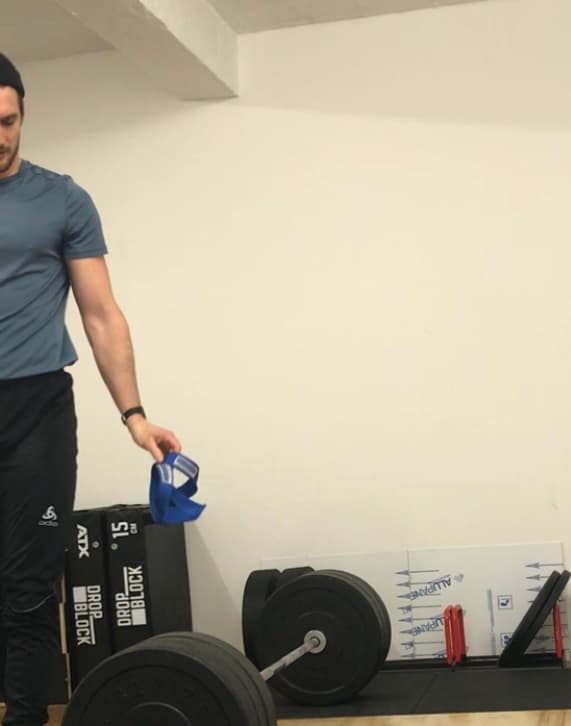
I trained Olympic middle-distance runners. The most annoying part was almost always the same: logging the training — specifically in a way that actually lets you analyze the data after the season. In practice, it never really worked.
It was no different with my own training. I tried pretty much every app out there: too clunky, too rigid, too annoying. None lasted long. What I actually wanted was something simple: record my training the way I'd text a friend. A sentence about what I did — and someone (or something) takes care of the rest.
That's exactly where KURA came from. I built a backend where the AI agent is the primary user, not the human. Everything is designed so the agent reliably understands training entries, asks when something is missing, and stores them as clean data.
Apps solve the wrong problem
There are hundreds of training apps. They’re good at storing things. But the actual problem is the logging — and that’s work. Filling out forms, dropdowns, scrolling through exercise lists. Try logging eccentric tempo squats cleanly. Or a sprint-plyo-endurance combo session. Or an exercise that isn’t in the database. Good luck keeping that structured.
An agent doesn't care about any of that. You write: "tempo squats today, 4 seconds down, pause at the bottom, 175lbs, felt brutal" — and it understands what you mean. If something's missing, it asks.
The real question is: where do these entries go so they remain useful long-term?
Chat windows aren't built for this
Context windows are limited, and after a few months the oldest messages simply drop off the end — without warning.
The AI remembers patterns ("legs on Tuesdays", "knee acts up sometimes"), but that doesn't replace real training data. No progression curve, no volume trend, no clear view of when the plateau started — maybe right when sleep fell apart.
Switch from ChatGPT to Claude, to a different model or a new platform, and your entire training history is stuck in chat logs you can't meaningfully take with you.
Even if you export: three months of training data spread across messages. The agent has to piece together a structure from scratch every time. Analyses get slow, fragile, and unreliable.
What KURA does
With KURA, the input doesn't matter: chat, voice, quick notes — you phrase things however feels natural. The agent takes care of the rest and stores everything not as chat history but as structured training data: typed, timestamped, connected.
One API call is enough to give the agent the full picture: every session, every PR, every trend over time — regardless of which AI is being used.
And because the data is structured, KURA can handle the math that simply doesn't work reliably in a chat window: Bayesian methods that catch plateaus early, connections between sleep and performance made visible, comparisons that contextualize your numbers instead of just commenting on them.
The agent reads the finished analysis and gives advice based on your actual data — not generic fitness knowledge.
Setup
Connect an AI
Connect OpenClaw, Claude, ChatGPT, or any other AI agent and follow the setup guide.
Start talking
Your AI agent does much more than training, so give it a quick nudge at the start. Open OpenClaw, Claude, or ChatGPT and say something like:
"I'm new to Kura. Explain how it works and do the onboarding with me."
After that, just talk about your training. The agent knows what to log. If it doesn't, a quick "Save this in Kura" does the trick.
What that looks like →Connects with your devices
Kura doesn't just read what you tell the agent — it can connect directly to your devices. Activities, heart rate and more flow in automatically.